
After the permanent closure of Bristol Zoo, two endangered Asiatic lions, Sahee and Sonika, have found a new home at The Big Cat Sanctuary in Ashford, Kent.
The pair, both seven years old, journeyed across the country following Bristol Zoo’s closure to the public in September last year after 186 years in operation.
The Big Cat Sanctuary, known for housing a wide range of big cats, is now home to Asiatic lions for the first time.
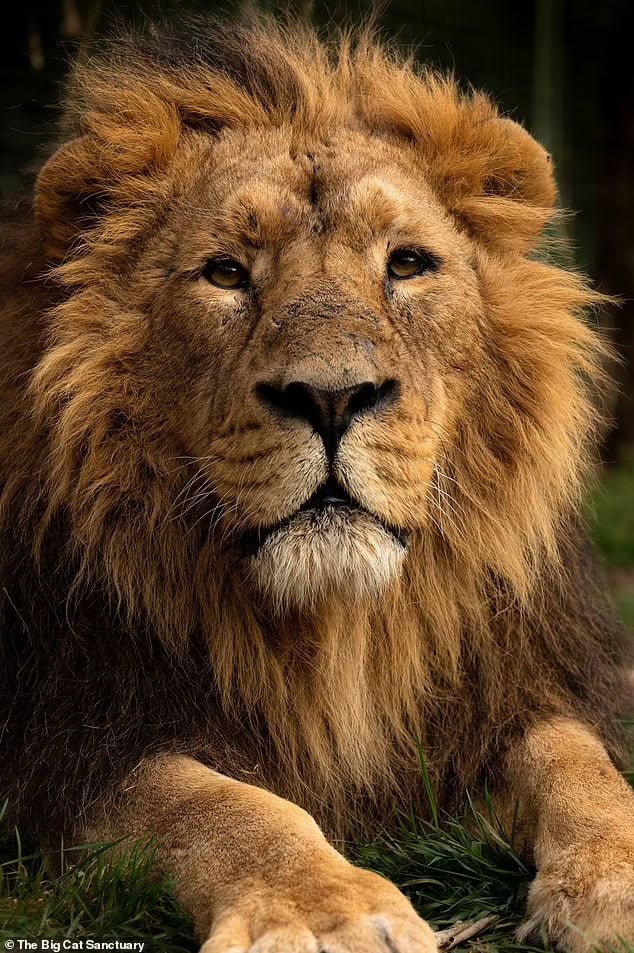
Sahee and Sonika, who had lived at Bristol Zoo since 2019, were given special crate training to prepare them for the three-and-a-half-hour trip to Kent.
Asiatic lions are a critically endangered species, with the only wild population residing in India’s Gir National Park and its surrounding areas in Gujarat.
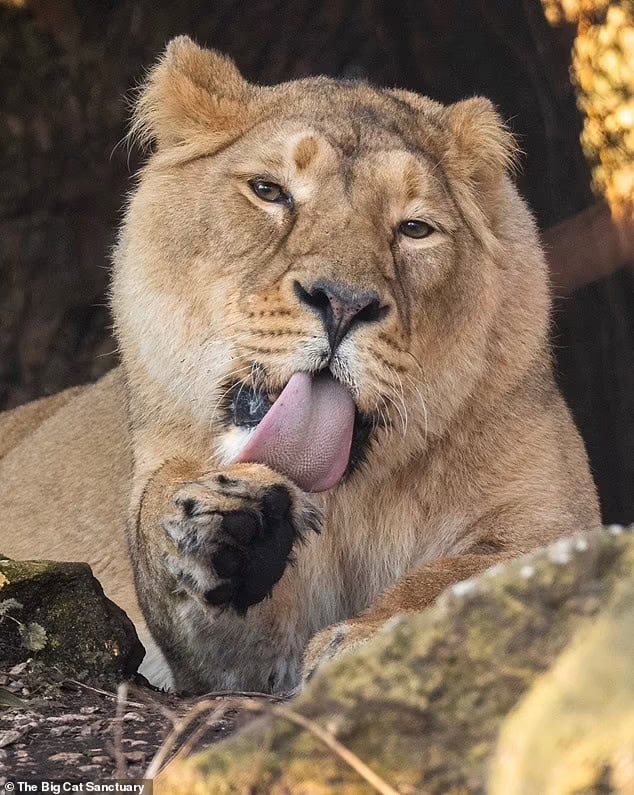
Once as low as a few dozen in the 1880s, their numbers have seen a slight recovery, with an estimated 600 lions now living in the wild. However, the species remains on the IUCN Red List as endangered.
The move of Sahee and Sonika is part of the Sanctuary’s ‘Project Lion’ initiative, which involves upgrading lion habitats and supporting global conservation efforts for African and Asian lions.
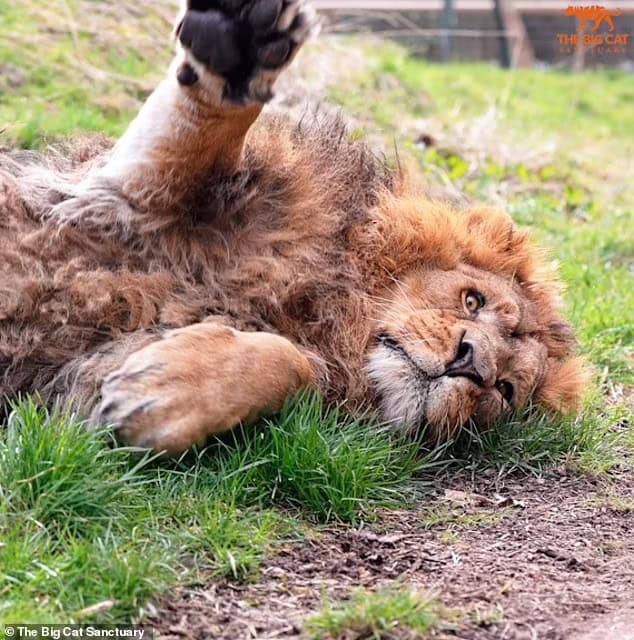
Briony Smith, the curator of The Big Cat Sanctuary, expressed excitement over the new arrivals, saying, “We are thrilled to welcome Sahee and Sonika. Sahee has already begun exploring, while Sonika is growing more confident each day. Our team is dedicated to providing exceptional care, and we look forward to seeing them thrive.”
Al Toyne, team lead of mammals at Bristol Zoological Society, which oversaw the closure of Bristol Zoo, shared that while the zoo no longer works with Asiatic lions in the wild, the sanctuary was carefully chosen to ensure Sahee and Sonika receive the best care.
“They will be missed, and I’m sure many of their previous visitors will want to see them in their new environment, which features quiet off-show dens, heated rocks, and grassy areas for them to enjoy,” Toyne added.

This move marks a new chapter for Sahee and Sonika as they settle into their new home, where they will continue to be part of vital conservation efforts for their species.
Read more Wildlife News.


