
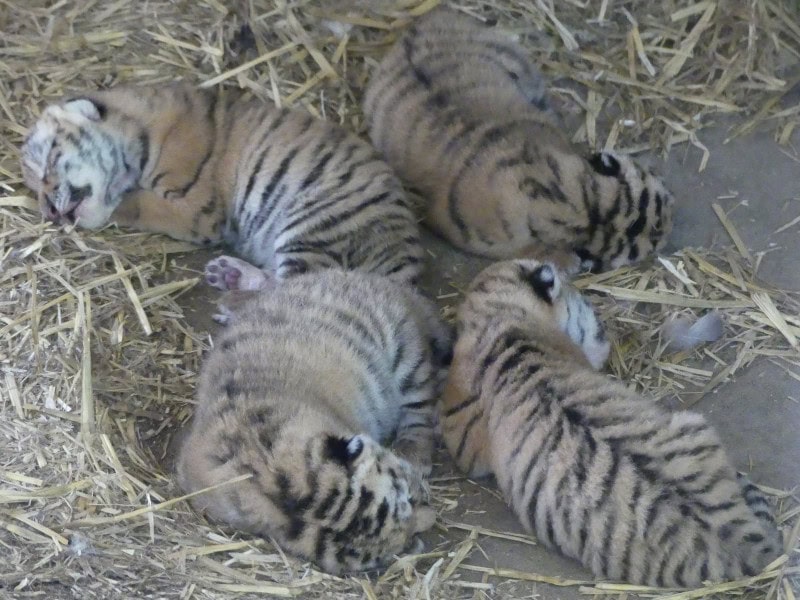
AquaZoo Leeuwarden, located in Friesland, the Netherlands, has recently welcomed a quartet of Amur tiger cubs, marking a historic moment as the zoo’s first-ever tiger births.
The four cubs entered the world on June 15, much to the delight of Chief Animal Caretaker William Kreijkes, who expressed the profound significance of this event.
If you prefer not to read the full story,
Skip ahead to watch the video ->
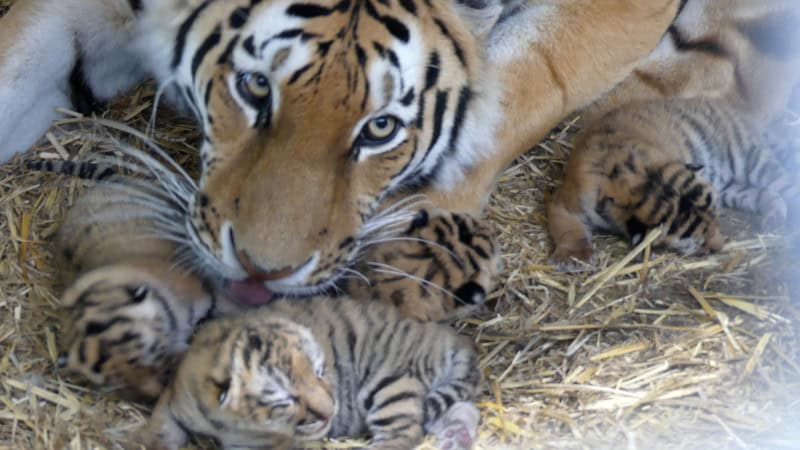
Kreijkes shared, “The birth of youngsters is always extraordinary. You hope for it, but it is extraordinary when it happens. And the fact they are quadruplets — we never dared to dream that.”
The mother and her cubs stay indoors, with their outdoor debut dependent on their development. Kreijkes explained, “The cubs still have their eyes closed. They will open first in the coming days. Then we must wait; the animals can decide whether and when to explore the outdoor enclosure.”
The Amur tiger, native to the river basins bordering China and Siberia, faces severe endangerment in the wild, with only a few hundred individuals remaining.
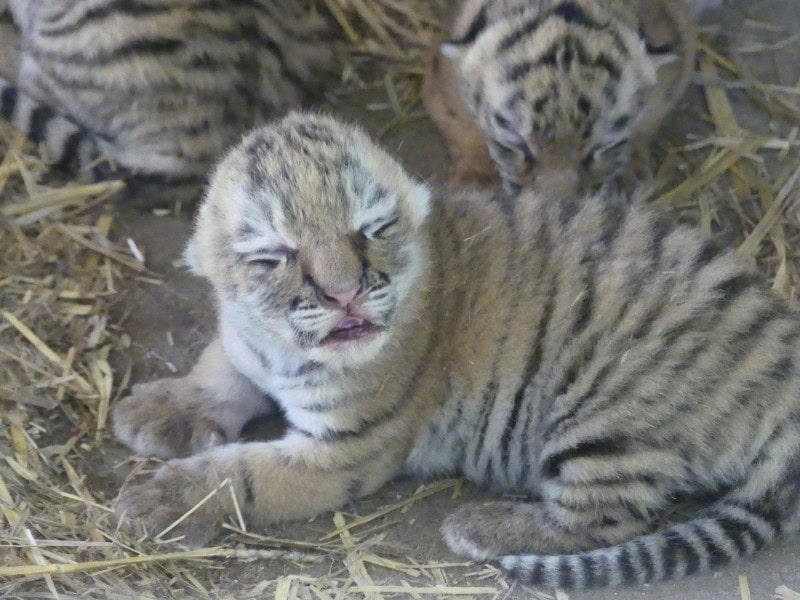
Human activities, particularly poaching for traditional Asian medicine, alongside habitat loss due to forest fires and logging, pose significant threats to their survival.
European zoos participate in management programs to conserve species and maintain a healthy population within parks.
These programs oversee breeding initiatives and animal distribution, ensuring responsible stewardship of the species.
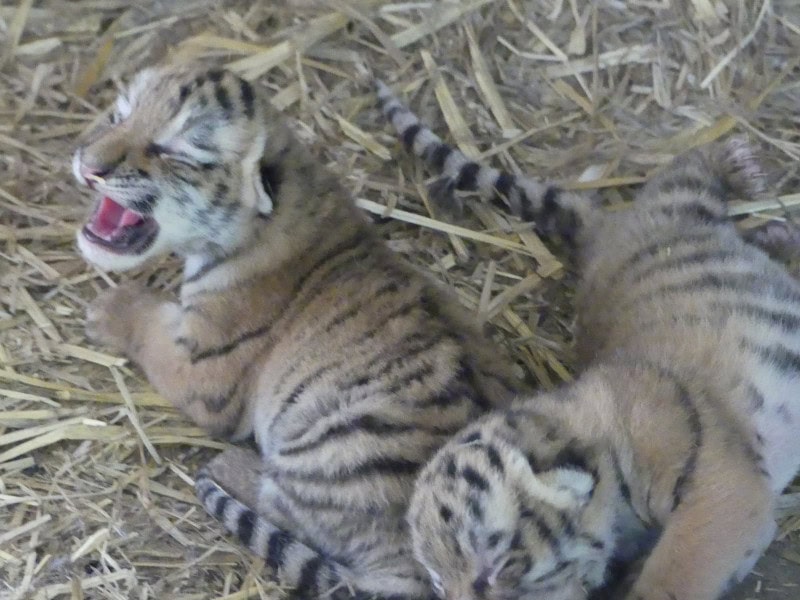
At AquaZoo, last year’s program included the arrival of two adult tigers, Aïda and Vadim, to a spacious new enclosure spanning over five thousand square meters.
Jeroen Loomeijer, the zoo’s general manager, expressed joy at the cubs’ arrival, coinciding with the zoo’s twentieth-anniversary celebrations.
Moreover, AquaZoo actively supports tiger conservation efforts in the wild, collaborating with organizations like the Wildlife Conservation Society (WCS) through the Wildlife Foundation.
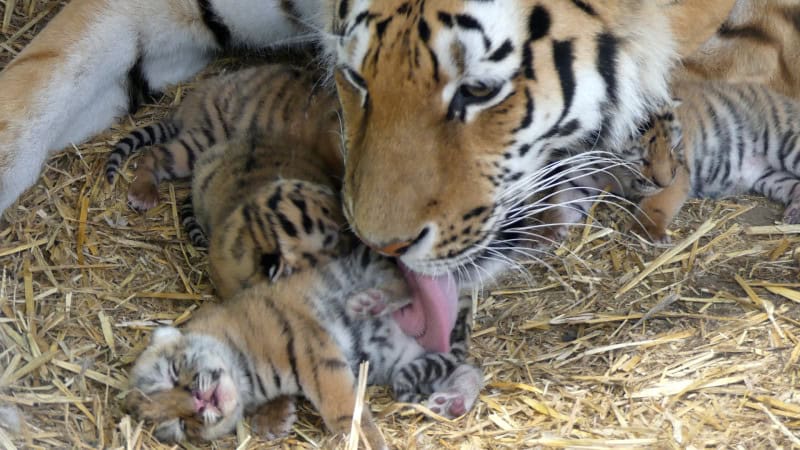
WCS initiatives combat poaching in protected areas and engage with logging companies to mitigate habitat destruction, emphasizing the importance of collective action in safeguarding these magnificent creatures.
Watch the video below:
Read more Wildlife News.


