
A quotation attributed to actor Casey Affleck is circulating again in animal-rights posts, but it is not a new statement from 2026. The words come from an older public-service campaign he recorded with People for the Ethical Treatment of Animals, better known as PETA.
In the campaign, Affleck explained that he avoided meat and other animal products because he viewed them as unhealthy and connected to what he called a “violent and inhumane industry.” PETA still hosts pages documenting the campaign and the quotation.
That context matters. A social-media graphic can make an older quotation look like a new interview, announcement or response to a current event. There is no evidence that the circulating image represents a fresh statement. It is more accurately described as a revival of Affleck’s established animal-rights advocacy.
The quotation came from a PETA public-service campaign
PETA says Affleck recorded a public-service announcement criticizing conditions in factory farms and slaughterhouses. According to the organization, television networks declined to air the more graphic version, so a toned-down version was prepared for broadcast.
The campaign presented an advocacy argument, not a neutral scientific report. Affleck linked his dietary choice to both animal welfare and health. Claims about the health effects of any diet require more nuance than a short PSA can provide, and individual nutritional needs vary. The central animal-welfare message, however, is clear: he objected to systems in which animals are confined and killed for food.
Why older advocacy quotations keep resurfacing
Celebrity quotations are frequently reposted without dates because the underlying issue remains emotionally resonant. A statement about animal agriculture can move through quote pages, fan accounts and advocacy graphics for years after the original interview or campaign.
That does not make the quotation false. It does mean readers should distinguish between two different claims: whether the person really said the words, and whether the words were said recently. In this case, PETA’s own campaign page supports the attribution, while the surviving campaign materials show that the message predates the current social-media post.
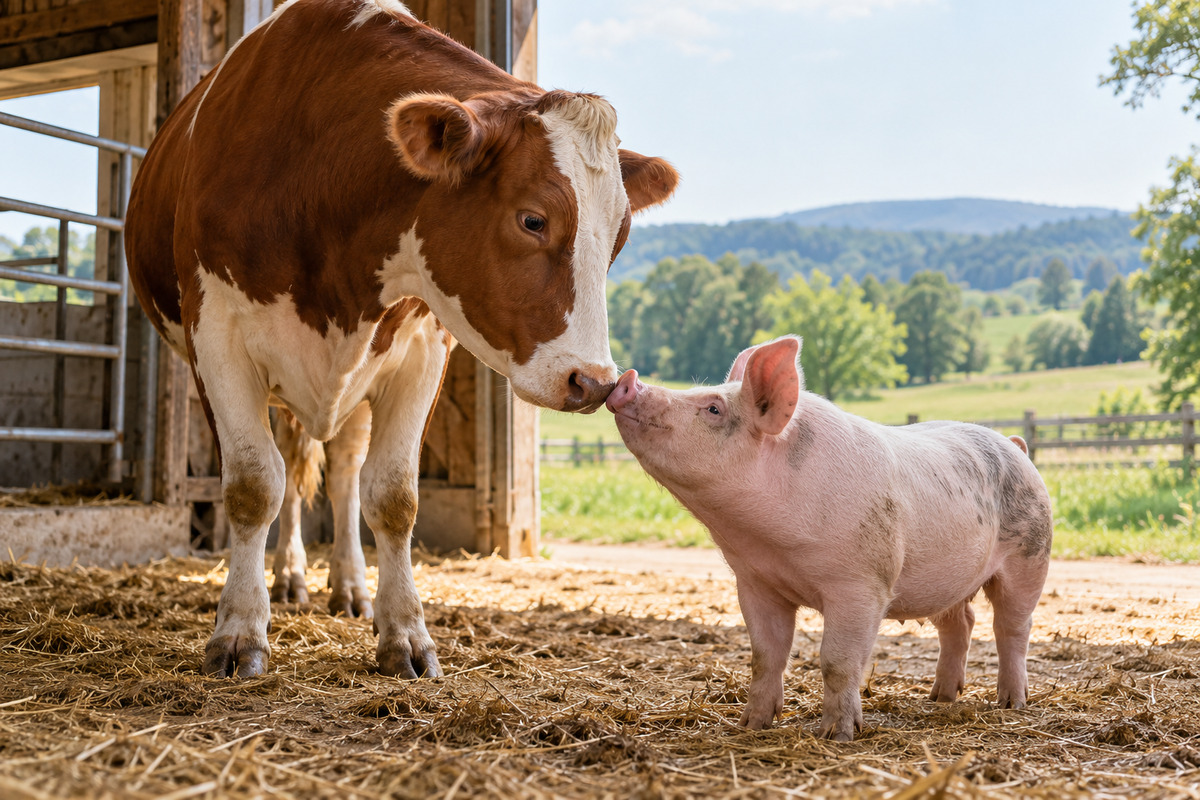
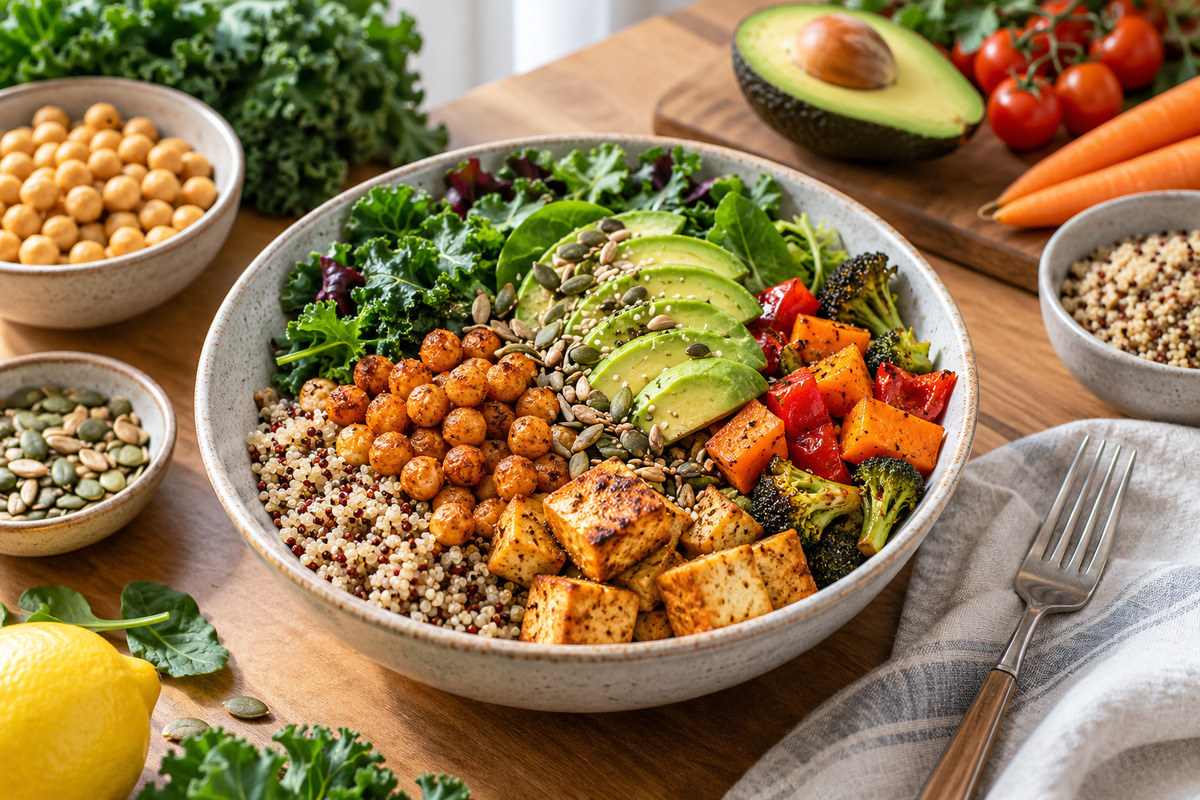
The source image supplied with this story carries Vegan Fields branding. Because it does not provide republication rights and uses a celebrity photograph, Daily BB News did not reuse it. The images in this article are disclosed editorial reconstructions and do not depict Affleck or a specific farm.
Animal welfare and food choices
Cows, pigs and chickens are sentient animals capable of experiencing pain and distress. Conditions differ widely across farms, transport systems and slaughter facilities, so sweeping descriptions should be treated carefully. At the same time, animal-welfare concerns about confinement, handling, painful procedures and slaughter are well documented and remain central to public debate over food production.
People respond to those concerns in different ways. Some adopt a vegan diet, some reduce their consumption of animal products, and others seek products made under higher-welfare standards. No single social-media quotation can settle the broader ethical, environmental and nutritional questions, but it can prompt readers to investigate how their food is produced.
A plant-based diet still requires planning
Choosing more plant-based meals can reduce demand for animal products, but a responsible article should not turn an ethical appeal into blanket medical advice. A well-planned vegan diet can include legumes, soy foods, whole grains, vegetables, fruit, nuts and seeds. People also need reliable sources of nutrients such as vitamin B12, and individual circumstances may call for professional dietary guidance.
That practical detail does not weaken the animal-welfare argument. It simply separates a personal ethical position from claims that apply equally to every person’s health.
The verified takeaway
Casey Affleck did participate in a PETA campaign criticizing animal agriculture, and PETA documents the quotation that is now circulating. What is misleading is presenting it as a new 2026 statement without mentioning its campaign history.
The accurate headline is therefore narrower: an older vegan advocacy message from Affleck has resurfaced, renewing discussion about farm-animal welfare and individual food choices.
Sources and further reading
- PETA: Casey Affleck Takes Aim at the Meat Industry in Banned Vegetarian Ad
- PETA media archive: Casey Affleck Veggie Testimonial
Image disclosure: The featured image and both inline images are AI-assisted editorial reconstructions. They do not depict Casey Affleck, a named farm or a documented incident.
