Cats, whether domestic or wild, each have their distinct features, and scientists have now found a way to prove just how unique they are—by their whiskers. This discovery could play a vital role in the conservation efforts to save lions from extinction in Kenya.
Every cat family member, including lions, has a set of whiskers on either side of its muzzle. These whiskers used to sense movement, are rooted in patterns of spots unique to each cat, much like human fingerprints. By studying these patterns, researchers can accurately identify individual lions.
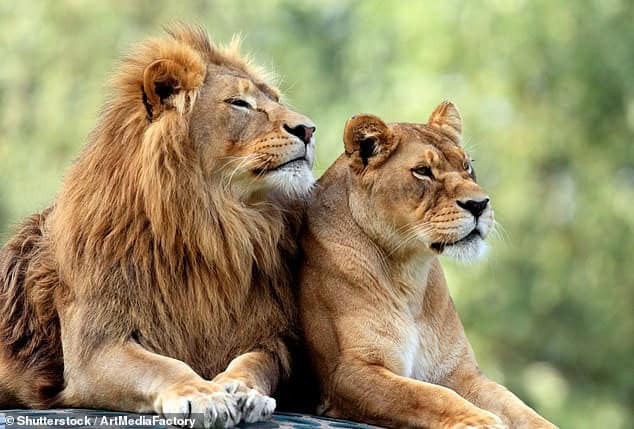
While other big cats like tigers, leopards, and cheetahs can be easily distinguished by their stripes or spots, lions have more uniform fur, making them harder to tell apart.
Experienced lion trackers may recognize individual animals within a particular area. Still, when prides move to new territories, it becomes challenging to determine whether these lions have already been accounted for.
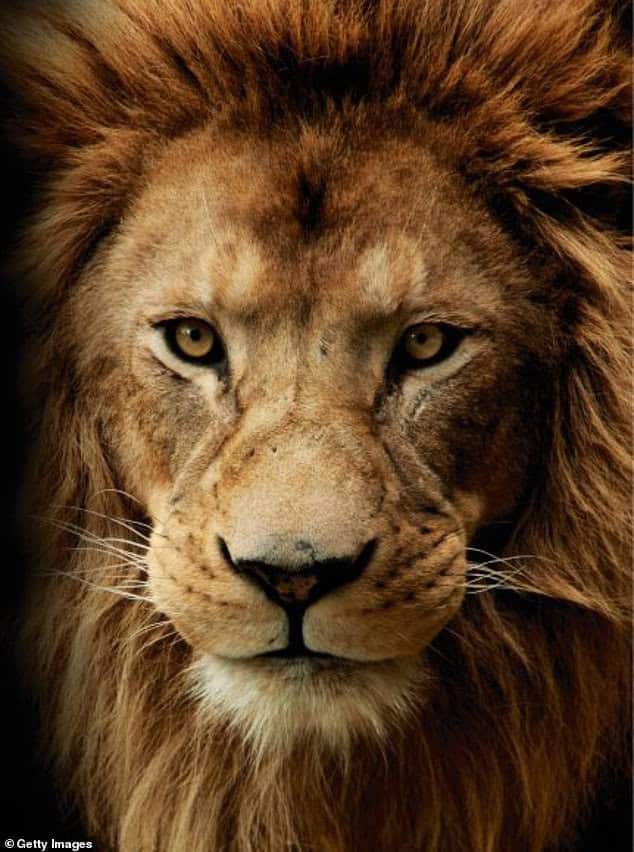
This is where the whisker census comes in. High-resolution photos of lions’ faces are being analyzed and recorded in a database, enabling experts to track and count lions more precisely across Kenya.
Previous estimates suggested that around 2,000 lions remained in the country, but the actual number might be even lower.
Across Africa, the lion population has dramatically declined over the past two decades.
“Lions are in real danger,” says Dr. Jenny Cousins of WWF-UK.
“They’ve vanished from over 90% of their historic range and are already extinct in 26 African countries. Early data from the whisker census in Kenya indicates that while some populations are stable, others are much smaller than we thought. If we don’t act now, lions could vanish.”
Lions face multiple threats: trophy hunting, poaching (especially due to the false belief in the medicinal value of their bones in the Far East), and most significantly, habitat loss.
As human populations expand, more land is being used for farming, shrinking the lions’ natural habitat. This creates conflicts, especially with Maasai cattle farmers in Kenya who must protect their livestock.
Efforts are underway to help these communities see lions as valuable assets. John, a Maasai farmer, explains, “We’ve realized these animals bring a lot of income through tourism. Organizations like WWF support our community because of them. Now, even if a lion kills my livestock, I just scare it away. I want to protect these animals for future generations.”
The “Land For Life” appeal has been launched to further aid in conservation, aiming to protect key habitats in Kenya and Tanzania, ensuring that people and wildlife, including lions, coexist. Donations to the initiative will be matched by up to £2 million through the UK Aid Match scheme.
Additionally, Prince Charles is set to launch “It’s Time,” a two-day online climate action festival featuring workshops, video premieres, and live performances by environmentalists and scientists.
WWF’s upcoming Christmas TV ad also highlights the importance of habitat conservation, telling a powerful story about the devastating effects of wildlife losing their homes.
Read more Wildlife News.