
A recent study has revealed that the number of tigers living in the wild is 40% higher than previously estimated.
The new global population assessment estimates between 3,726 and 5,578 tigers now inhabit wild areas, significantly rising from figures collected in 2015.

The assessment, conducted by the International Union for Conservation of Nature (IUCN), benefited from enhanced monitoring techniques, which are believed to account for much of the reported increase.
Luke Hunter, the executive director of the Wildlife Conservation Society’s (WCS) big cat program, explained to NPR that governments have made extraordinary efforts, conducting large-scale surveys to track tiger populations more effectively.
He also credited the rise in numbers to stronger conservation measures implemented by countries where tigers live.
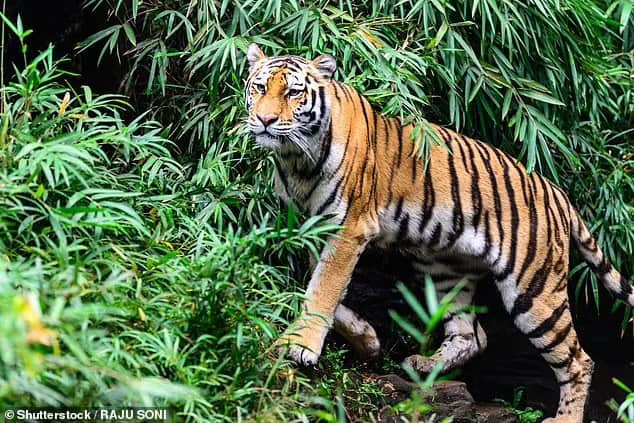
Despite the positive news, tigers remain classified as endangered and are still listed on the IUCN Red List of Threatened Species.
The species continues to face threats from poaching, both of tigers and the animals they depend on for food.
Another critical challenge for tiger survival is the destruction of their habitats, driven by agricultural expansion and human development.
Hunter emphasized that this study highlights the potential for recovery when focused conservation efforts are made.
The World Wildlife Fund also noted improvements in wild tiger populations in regions like India, Nepal, Bhutan, Russia, and China, indicating a positive trend for the species.
Read more Wildlife News.